Football trend explained
Ozil AI Goal Trend: The Real Goal Behind the Edits
The Ozil AI goal trend puts a new person into a recreation of a famous football move: beat the advancing keeper, evade the recovering defenders and finish into an open net. Its real-match reference is Mesut Özil’s late winner for Arsenal against Ludogorets in 2016. The AI clip is a new edit, not evidence that the person in the photo played that match.
- By the Ozil AI editorial team
- Updated October 25, 2026
- 5 min read
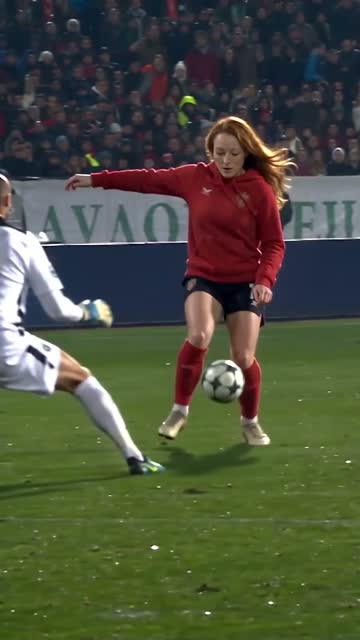
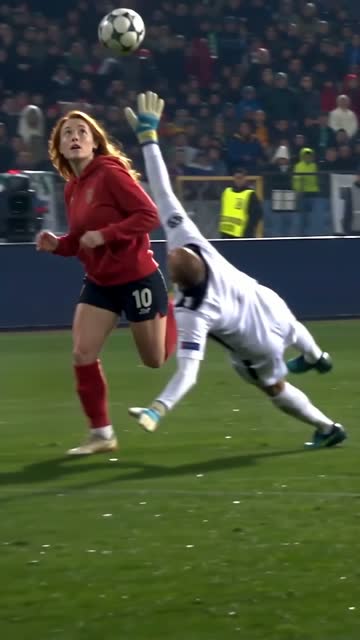
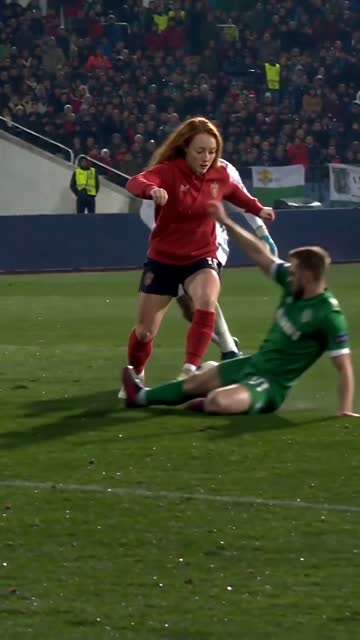
Which real Özil goal is the AI trend based on?
The reference is Arsenal’s 3–2 away win over Ludogorets in the Champions League on 1 November 2016. UEFA’s match report records a late solo winner by Mesut Özil after Arsenal had recovered from two goals down. That match context matters: the move was a decisive goal, rather than a training trick or a clip created for social media.
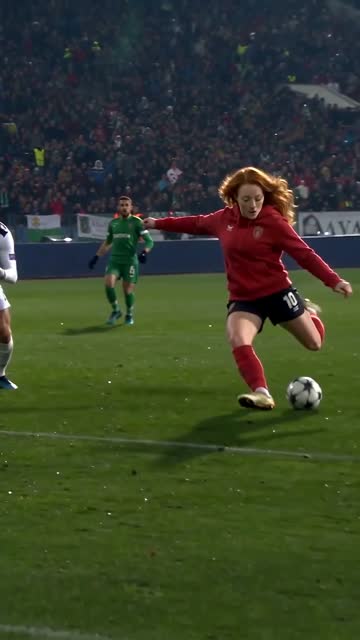
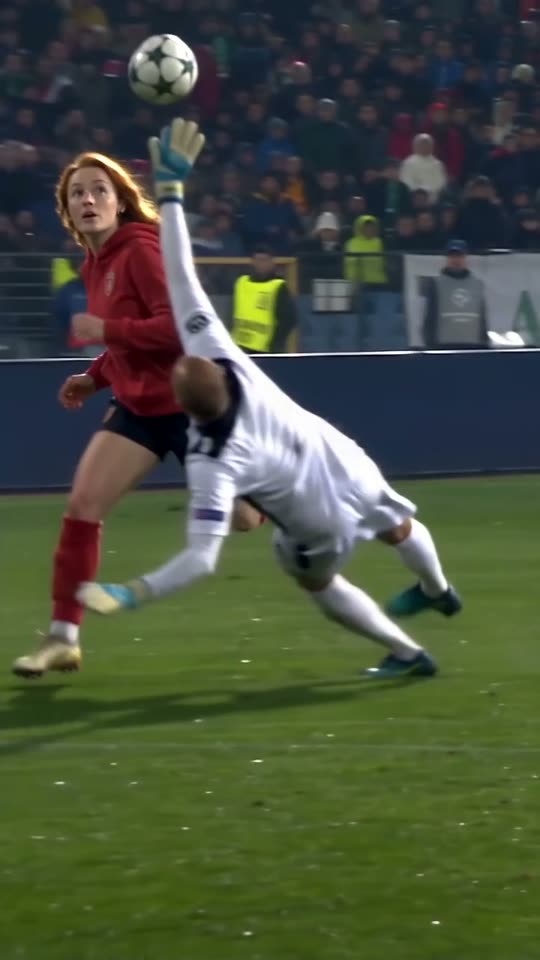
The modern recreation emphasizes the sequence viewers remember: a composed attacker, a committed goalkeeper, defenders trying to recover, and a controlled finish. An AI version may compress, exaggerate or alter parts of that movement. Read the frames below as a guide to recognizing the recreation; use the original match report for the historical result.
- 01Approach with the ball1
- 02Beat the advancing keeper2
- 03Recover the same ball
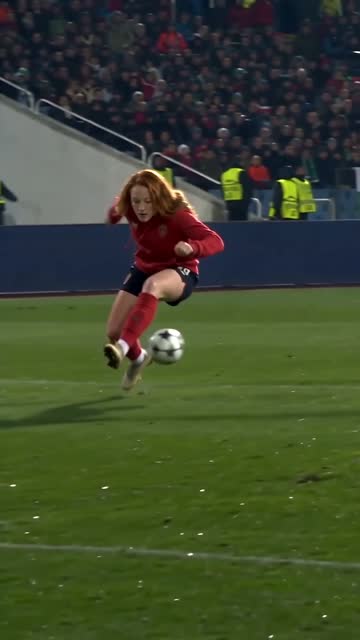 3
- 04Evade the defenders4
- 05Finish into the net
 5
How the Ozil AI edit changes the original moment
In a typical personalized version, a portrait supplies the recognizable person while the football scene provides the action. The setting may resemble a stadium, but the person, clothing, timing and ball movement can be newly generated. A familiar camera angle does not turn that recreation into a recording of a real performance.
This is also why two clips under the same trend name can look different. One may use a fixed goal template; another may use a written prompt; a third may be an edited montage of existing media. Soundtracks and captions can make those different workflows appear similar in a feed. Judge what the clip shows rather than assuming a hashtag describes how it was made.
The 2016 match date can be verified. A single creator, exact start date or live view count for the AI trend is harder to establish from reposted clips. This guide does not assign an unverified origin or popularity number. If a caption claims to show the original trend post, follow its source and date before repeating that claim.
What makes an Ozil goal edit recognizable?
The scene works as a short story with a delayed payoff. Several opponents commit before the attacker finishes, so the audience has time to anticipate a miss and then see the calm final touch. Replacing the attacker with a friend or an everyday portrait adds a second surprise without needing a long explanation.
That recognizable structure is more useful to a creator than simply copying a soundtrack. You can change the person, outfit or caption while keeping the keeper encounter and finish readable. If those moments disappear, viewers may see a generic football animation rather than the goal edit they expected.
- The keeper commits first. The attacker has to beat a visible challenge rather than appearing alone beside the net.
- The recovery attempt creates the pause. Defenders react while the attacker stays in control, giving the finish its distinctive rhythm.
- The payoff stays on screen. The last touch and ball crossing the line make the sequence understandable even without sound or a caption.
Is the Ozil AI goal the same as the Ozil bounce?
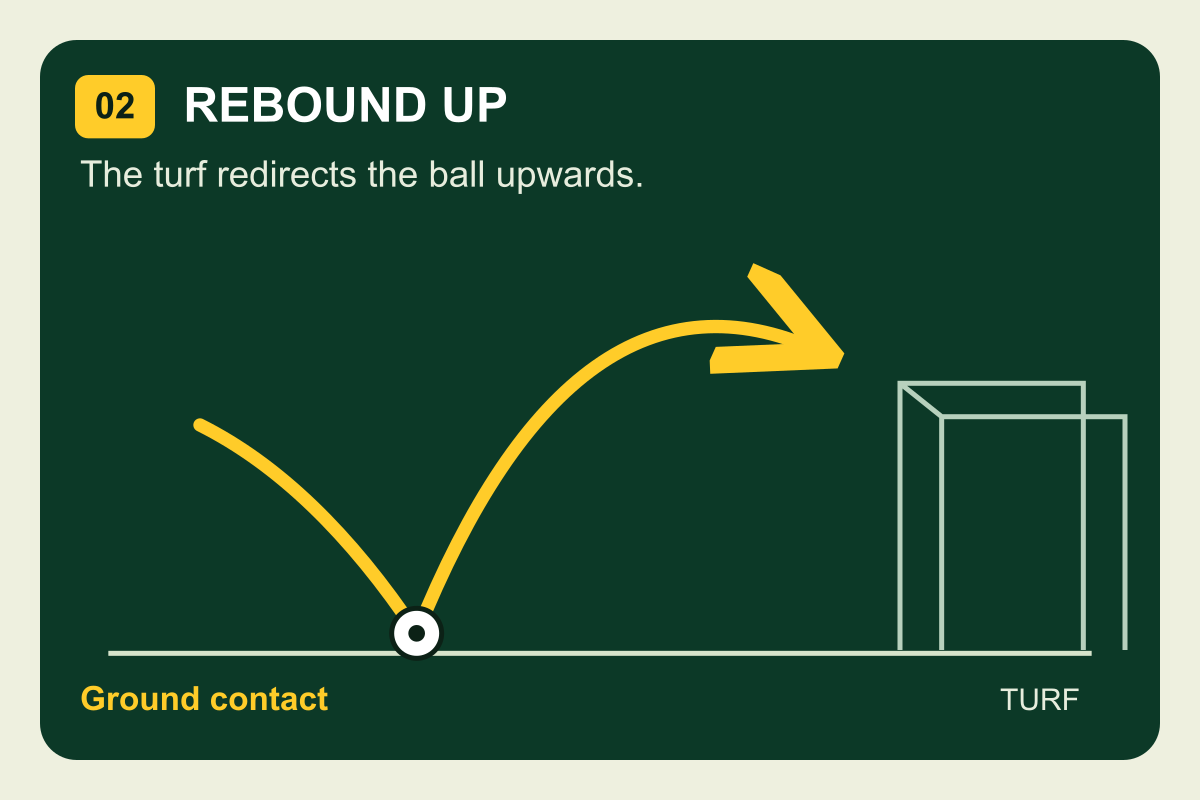
They refer to different things. “Ozil bounce” or “Ozil chop” describes a shot technique: the ball is struck down into the turf so that its rebound lifts it past the goalkeeper. “Ozil AI goal trend” usually describes the longer recreation of the Ludogorets attacking move. The labels sometimes overlap in casual captions, which makes the search results confusing.
If you are identifying a real football technique, look for the ball contacting the turf immediately after the shooting touch. If you are trying to make the familiar AI edit, look for the whole keeper-to-defenders-to-finish sequence. A brief ball bounce during dribbling does not, by itself, establish that the final shot is a chop finish. The separate bounce guide explains the trajectory in more detail.
How to join the trend with your own photo
Choose the goal you want to recreate before choosing the media. For the Ozil version, use one clear portrait and confirm that the preview shows the keeper and defender sequence. The Lamine template on this site is a separate football moment; it should not be used as a substitute when your intended result is the Özil-inspired edit.
The current studio turns a portrait into an 15-second clip using 10 credits per generation. Sign in, select the Ozil template, upload your photo and submit after checking the cost. When the render is ready, watch the entire clip in your library. A clear face in the first frame is only part of a successful result.
Before sharing, check whether the final touch is visible and whether any face or ball errors distract from the scene. Add a caption that makes the AI recreation clear, especially if the image belongs to someone your audience might mistake for a real player. Use your own photo or one you have permission to upload, and check any music you add separately.
Follow the photo-to-video guideFrequently asked questions
Q1What is the Ozil AI goal trend?
It is a style of AI football edit that places a new person into a recreation of an Özil-inspired attacking move. The familiar version follows the advancing keeper, recovering defenders and open-net finish rather than showing only a single kick.
Q2Which match does the goal come from?
The real-match reference is Arsenal’s 3–2 Champions League win away to Ludogorets on 1 November 2016. UEFA’s contemporary match report identifies Özil’s late solo winner and Arsenal’s comeback from a two-goal deficit.
Q3Is the person in an Ozil AI edit really playing football?
The clip does not establish that. A portrait-based recreation generates new action around the chosen identity. Treat it as an edited or generated scene unless there is independent original footage showing the person performing the move.
Q4Who started the Ozil AI trend?
This guide does not identify a single original creator. Reposts, reused sounds and different generation tools make that claim difficult to verify. The source of the football move is documented, but that is a separate question from who first published an AI version.
Q5Do I need a football photo to make my version?
No. A sharp portrait of one person is a practical input for the photo workflow. Select the Ozil template, check the preview and review the completed action. Use the prompt guide if you prefer a separate tool with freeform scene instructions.
NO. 10 / YOU
Your turn on the ball
Bring one photo. Take home your own football moment.
Open the studio